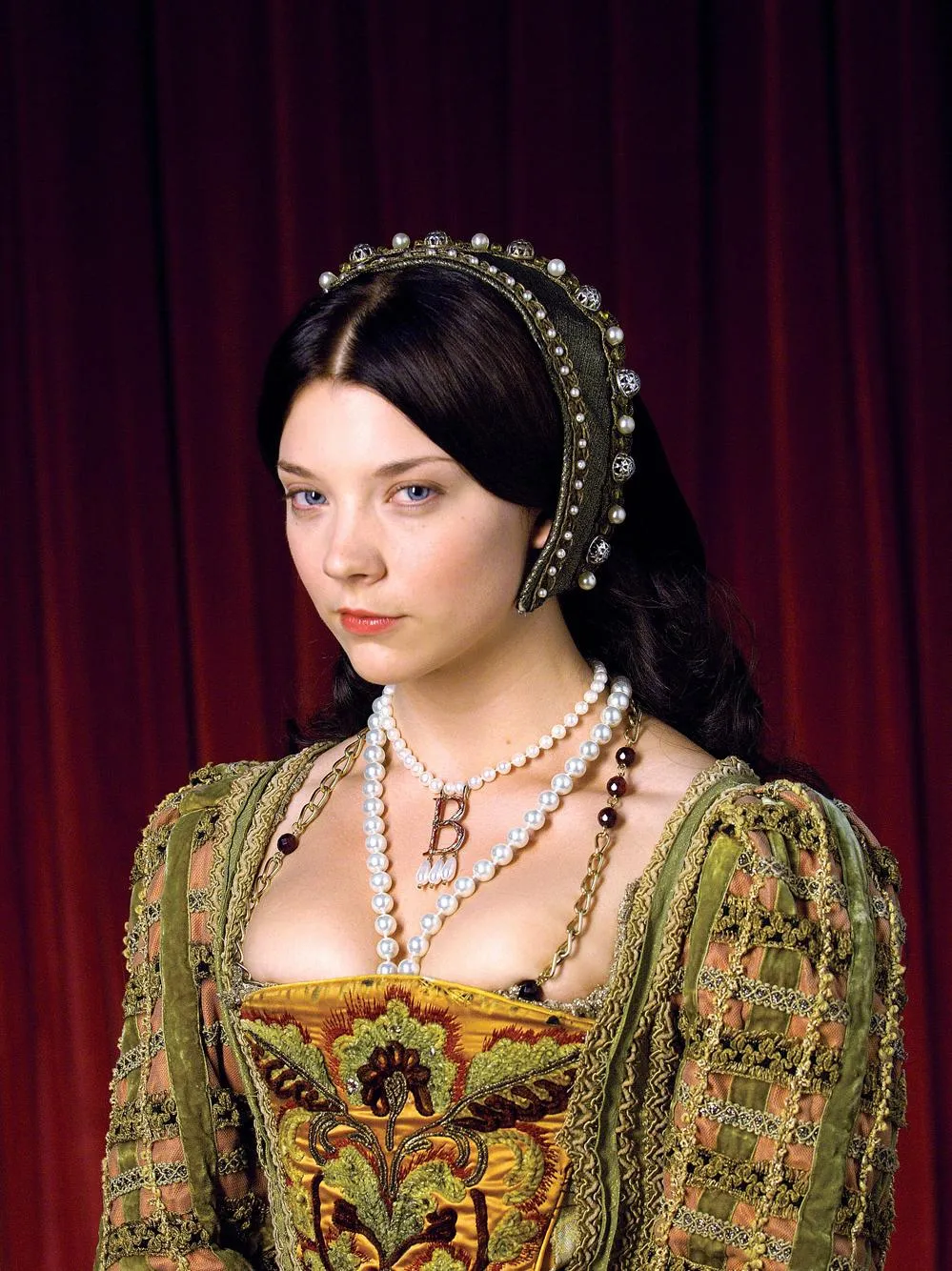
Anne boleyn: The Unveiling of : A New Face from History
A team of scientists claims to have uncovered the real face of Anne Boleyn using facial recognition technology, sparking heated debate among historians. This revelation comes from researchers at the University of Bradford, who analyzed Tudor portraits to possibly identify a previously-unknown sketch of Boleyn.
The researchers employed an algorithm that compared sketches to portraits of her daughter, Elizabeth I, and her cousins. According to Karen Davies, the lead author, “The result has shocked us completely.” However, the study raises questions about its accuracy and implications.
Art historian Dr. Bendor Grosvenor is skeptical. He described the findings as “a load of old phooey,” emphasizing that the method relies heavily on comparing drawings through machine-learned algorithms. Professor Hassan Ugail added that what they are examining is merely a collection of drawings.
The absence of any painting of Boleyn from her lifetime complicates matters further. The study suggests that some images may have been deliberately destroyed after her execution in 1536 on charges including adultery and treason.
Davies has had a long-standing fascination with Boleyn since childhood, which fueled her commitment to this research. Yet, uncertainties linger: whether the identified sketch is truly of Anne Boleyn or her mother remains unclear.
The facial recognition algorithm rated facial similarity through percentage clustering, but experts question whether this technology can accurately analyze historical artworks. Dr. Charlotte Bolland noted that “the incredible emotional tragedy of her life is this story that people want to revisit,” highlighting the enduring intrigue surrounding Boleyn’s legacy.
The research has undergone peer review before publication, yet debates continue over its validity and implications for historical research. As scholars dissect these findings, the true likeness of Anne Boleyn remains shrouded in mystery.
Related Posts
Sony PlayStation Plus June 2026: A Challenging Month Ahead
Evil Dead Burn: A Family Reunion Gone Horribly Wrong