Catfish: UK Fish and Chip Shops Misleading Customers with
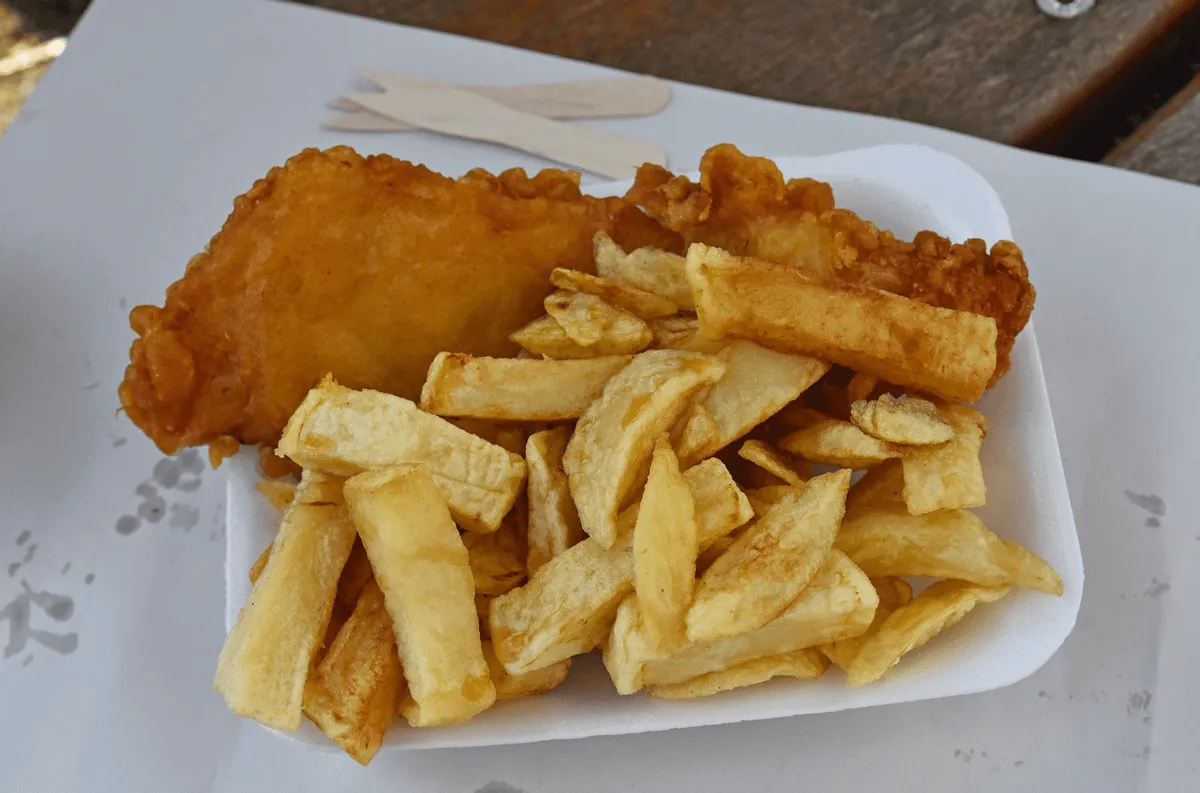
A new study reveals that many UK fish and chip shops are misleading customers by selling catfish instead of traditional fish like cod and haddock. This practice raises serious questions about food safety and public trust.
Key findings:
- Some fish and chip shops in the UK are selling catfish without informing customers.
- DNA testing confirmed that three takeaways claiming to sell ‘fish’ were actually serving catfish.
- Every year, 380 million meals are served by fish and chip shops in Britain.
Andrew Crook, from the National Federation of Fish Friers, stated, “When you go and get fish and chips most people expect a marine species, so cod, haddock or plaice.” The implications of this deception extend beyond mere consumer choice; they touch on broader issues of food integrity.
This issue coincides with Maryland’s efforts to manage invasive species like the blue catfish. The state is studying the use of gill nets for commercial harvesting, as these fish threaten native species in the Chesapeake Bay—particularly blue crab. The Maryland Department of Natural Resources is evaluating bycatch risks associated with these nets.
Maryland’s Invasive Blue Catfish Pilot Program aims to shift public perception and build markets for blue catfish. Interestingly, eating catfish is considered safe and a good source of protein. However, the ongoing sale of misrepresented fish raises significant concerns about transparency in commercial fishing.
Professor Stefano Mariani commented on the situation: “In my experience with fish and chips, three out of 10 is quite a lot – I don’t recall seeing this level of catfish.” As more consumers become aware of these practices, the demand for transparency may increase.
The call for fish and chip shops to list the species of fish on their menus is gaining momentum. This step could help restore public trust in an industry that serves millions annually. As investigations continue, it remains crucial to ensure that consumers receive what they pay for—authentic marine fare.
Related Posts

Greater Manchester Police Airport Pursuit

Grant Greening-Steer compensation claim