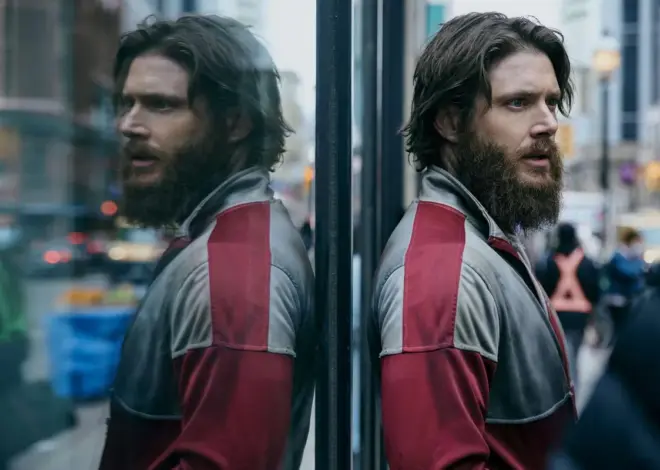
Dune: Denis Villeneuve’s : A Unique Take on Special Effects
In Denis Villeneuve’s Dune, released in 2021, the director took an unconventional approach by creatively minimizing special effects in a pivotal scene—the ‘Test of Fear.’ This choice aimed to enhance realism and draw viewers deeper into the psychological landscape of the characters.
The ‘Test of Fear’ sequence tests Paul Atreides’ mental fortitude, portrayed by Timothée Chalamet. Instead of relying heavily on visual effects, Villeneuve focused on acting, sound design, and audience imagination. “I wanted the movie to be as realistic as possible,” he stated, emphasizing his commitment to authenticity.
This decision not only saved a significant portion of the film’s substantial special effects budget but also allowed for more elaborate visual storytelling elsewhere. The film’s SFX team developed innovative techniques for hologram scenes, showcasing their creativity and technical prowess.
Villeneuve’s vision aligns with Frank Herbert’s original narrative, where psychic powers play a crucial role. By grounding the ‘Test of Fear’ in reality rather than spectacle, he invites viewers to engage with the underlying themes of fear and control.
The scene involves a box that inflicts intense psychic pain on Paul, heightening the tension without overwhelming it with flashy visuals. “For me, god is nature, so I tried to make sure that there were moments that are magical because you want them to be,” Villeneuve explained. This philosophy permeates the entire film.
As audiences continue to analyze this unique approach, it raises questions about the future of special effects in cinema. Will filmmakers follow suit or revert to traditional methods? The impact of Villeneuve’s choices on upcoming science fiction adaptations remains an open topic for discussion.
Related Posts
Sony PlayStation Plus June 2026: A Challenging Month Ahead
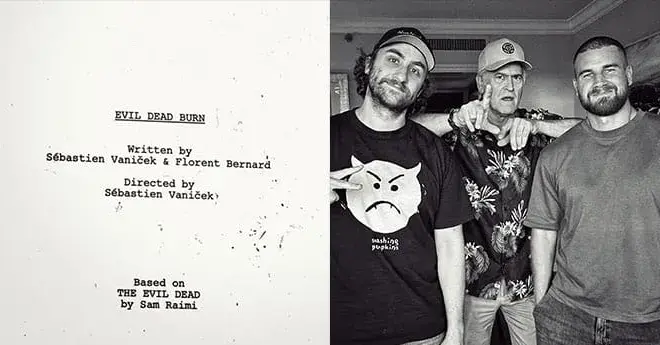
Evil Dead Burn: A Family Reunion Gone Horribly Wrong