Film: Nato’s Controversial Engagement with the Industry
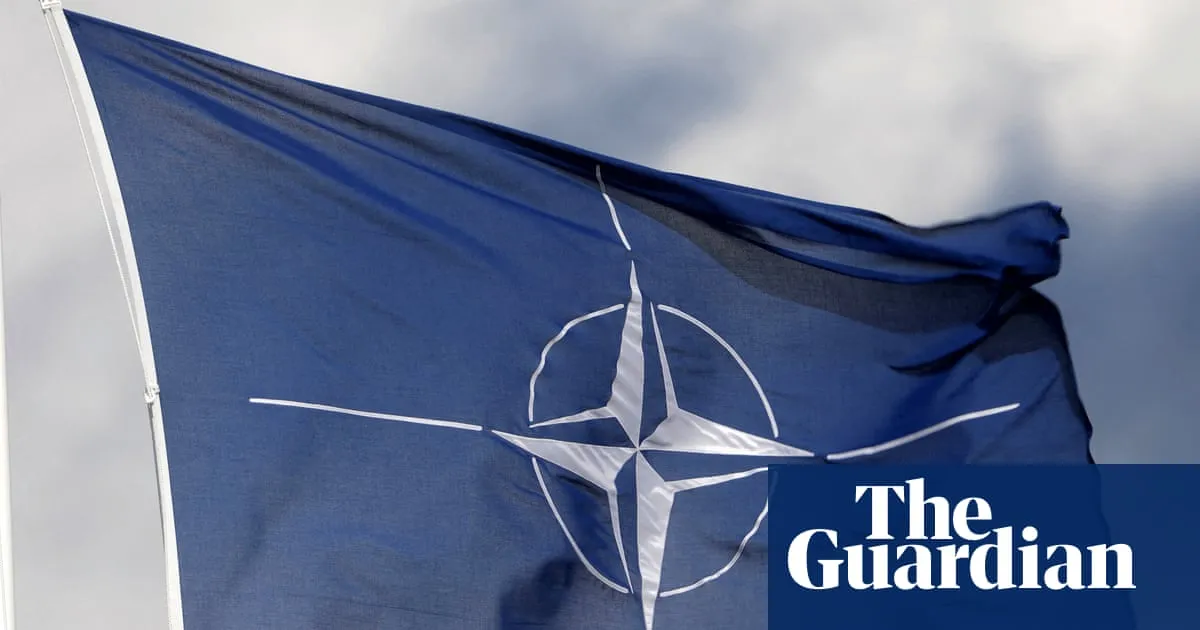
Nato’s recent closed-door meetings with film and TV professionals across Europe and the US have ignited a fierce debate over whether the alliance is using art for propaganda purposes. The upcoming meeting in London will focus on the evolving security situation in Europe, raising eyebrows among critics.
Supporters of Nato argue that engaging with the arts is essential to build public support for increasing defence spending, especially in light of rising tensions following the Russian invasion of Ukraine. In fact, defence spending in Ireland has surged to record levels, reflecting a broader trend across Europe.
However, not everyone agrees with this strategy. Alan O’Gorman, a prominent figure within the Writers’ Guild of Great Britain (WGGB), called the planned meeting “outrageous and clearly propaganda.” He expressed concern that many people have personal ties to countries affected by conflicts involving Nato, stating, “A lot of people, myself included, have friends and family or themselves come from countries that are not in Nato, that have suffered under wars that Nato has joined and propagated.” O’Gorman’s words resonate deeply amid ongoing discussions about military alliances and their implications.
The WGGB spokesperson defended the initiative, explaining that it aims to foster a two-way conversation between screenwriters and security policy experts. This initiative is part of a series of sessions designed specifically for writers in the entertainment industry to engage with complex issues.
As public opinion shifts, an Ipsos poll revealed that 49% of voters in the Republic of Ireland oppose joining Nato. Only 19% support membership, while 22% remain undecided. This division highlights the challenges facing Nato as it seeks to strengthen its relationships within the arts community.
In 2024, eight screenwriters were invited to Nato’s headquarters to learn about security policy — a move seen by some as an attempt to influence narratives surrounding military actions. Critics warn that such initiatives may blur the lines between art and advocacy.
The controversy surrounding these meetings raises important questions about the role of art in shaping public perception. As discussions unfold within both creative circles and political arenas, how this will affect future collaborations between Nato and artists remains uncertain.
With ongoing debates about defence spending and public sentiment towards military alliances, one thing is clear: Nato’s engagement with film professionals is poised to challenge traditional boundaries within both the film industry and international relations.
Related Posts
Sony PlayStation Plus June 2026: A Challenging Month Ahead
Evil Dead Burn: A Family Reunion Gone Horribly Wrong