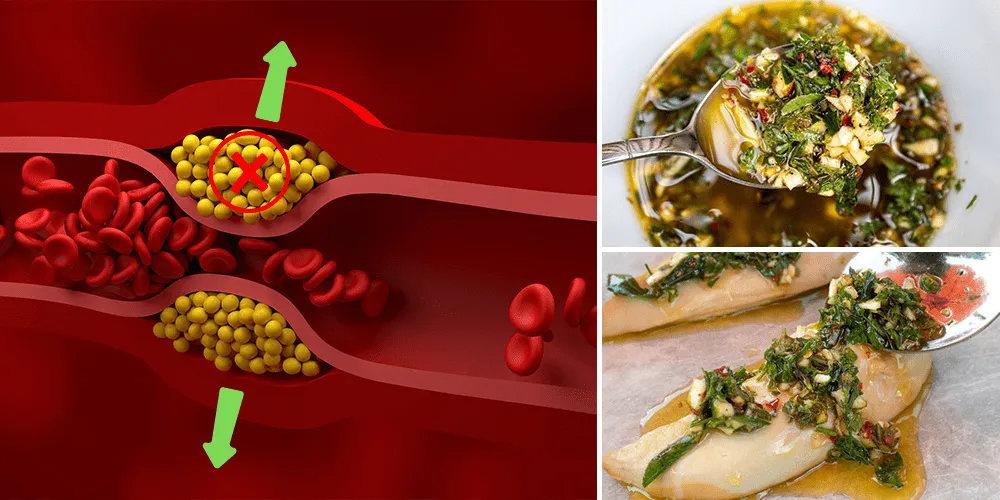
Cholesterol: Pharmaceutical Companies Bet on ‘s Lesser-Known Form, Lp(a)

For decades, the medical community believed that raising HDL cholesterol would protect against heart disease. Yet, studies showed otherwise. The focus shifted primarily to LDL and total cholesterol levels, sidelining Lp(a), a more dangerous cousin of LDL that clogs arteries and promotes blood clots. But now, pharmaceutical companies are betting on this lesser-known form of cholesterol—Lp(a)—to develop potentially blockbuster heart drugs.
In recent years, researchers unearthed compelling evidence about Lp(a). Discovered in 1963, it was largely ignored until population genetics revealed its significance. Those with high levels of Lp(a) face more than double the risk of heart attacks compared to those without it. Alarmingly, one in five people worldwide has elevated Lp(a), yet less than 1% of adults in the U.S. were tested for it in 2024.
This shift came into sharp focus when Novartis announced its drug pelacarsen, designed to lower Lp(a) levels. Together with Amgen and Eli Lilly, these companies are conducting late-stage trials that aim to prove their experimental drugs can slash Lp(a) levels by over 80%. “The clarity of the signal from population genetics and the encouraging signs from earlier trials render this a very smart bet,” says Jay Bradner, a leading figure in cardiology research.
The direct effects of this research have been profound. If successful, these drugs could redefine treatment protocols for cardiovascular disease. As Dr. Steve Nissen puts it, “We hope at least one of them ends up in the back of the net.” The potential market is staggering; analysts predict annual sales could reach $5.6 billion by 2032.
But there are uncertainties ahead. The exact levels of Lp(a) that need reducing to prevent heart attacks remain unclear. Moreover, Novartis has faced delays due to slower-than-expected occurrences of heart attacks in trial participants. This has raised questions about timelines and efficacy.
As clinical trials progress, experts urge caution but remain optimistic. “That’s why this Novartis trial is going to be so important in how people think about the unlock,” says Asad Haider, emphasizing the significance of these developments in cardiology. With more attention on cholesterol testing for Lp(a), a paradigm shift may be on the horizon.
As pharmaceutical giants race toward breakthroughs in treating cardiovascular diseases linked to high Lp(a), patients await answers that could change their lives. The stakes couldn’t be higher—especially for those who fall into that one-in-five category worldwide.

As NewsUK's Senior Football Correspondent, Thomas Beckwith reports on the Premier League, the EFL and the England national side for readers across the country. He reported on three World Cups for a national news agency. He holds a degree in Sports Journalism from Sheffield Hallam University and completed an NCTJ diploma. Thomas lives in Sheffield, where he watches lower-league football most weekends. “Football writing is about the decisions, not just the result.”