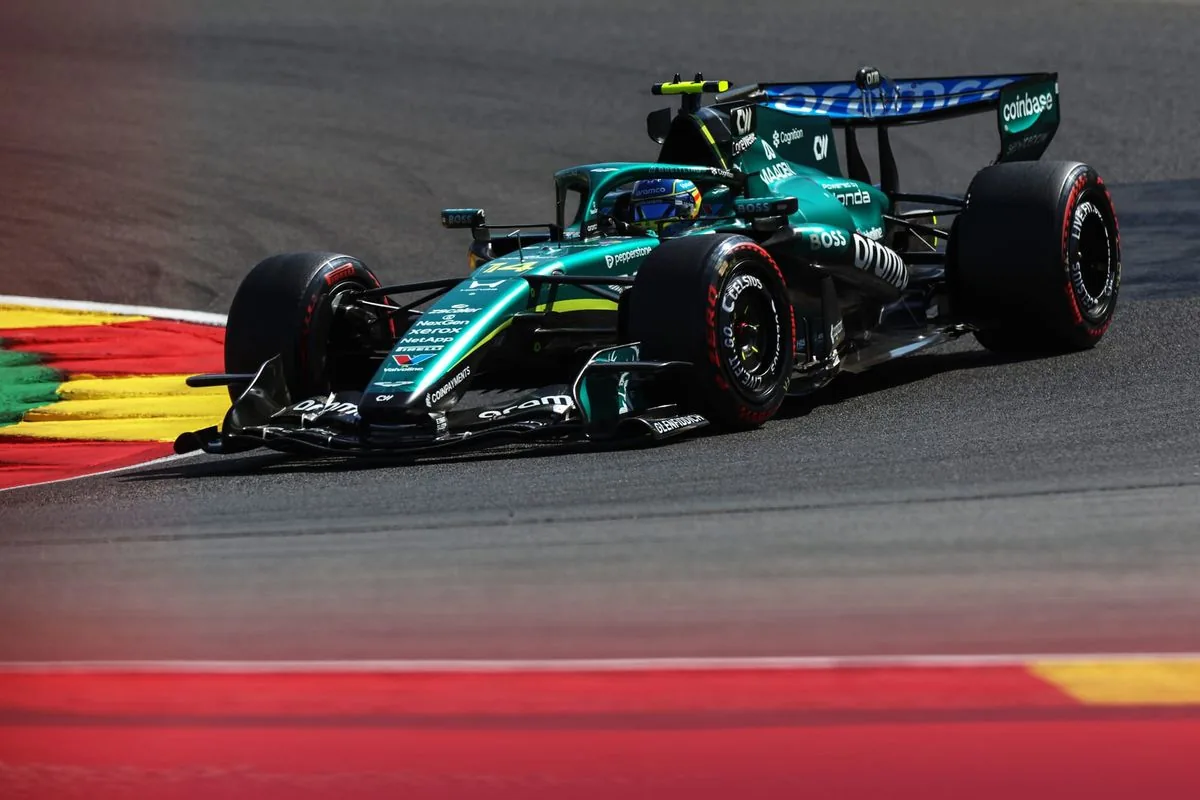
Hungary Grand Prix: Aston Martin introduces major upgrade with Alonso optimistic

Aston Martin is set to introduce a significant upgrade package at the Hungarian Grand Prix, a move that driver Fernando Alonso views with optimism, though he cautions against high expectations. This marks the team’s initial upgrade of the season, following a challenging start where their car and engine performance fell short of optimal levels.
The comprehensive upgrade includes a new, lighter chassis and substantial aerodynamic modifications. This approach of implementing a single, large upgrade rather than a series of smaller ones was chosen to efficiently manage the team’s budget within the sport’s spending cap. However, this strategy has meant that Aston Martin has progressively fallen further behind competitors in recent races.
Team’s Performance Challenges and Strategic Decisions
The team’s performance has been particularly difficult at high-speed circuits like Silverstone and Spa, largely due to the limitations of their Honda engine. Even at the more corner-dependent Spanish Grand Prix last month, Aston Martin was notably off the pace, several seconds behind pole position and the leading midfield teams.
Adrian Newey, Aston Martin‘s chief technical officer, explained that the team made the decision early in the season to delay developments. This allowed them to reorganise and implement new systems for the future, despite knowing it would widen the performance gap in the interim. He noted that the ’26 car development had a very competitive timescale, leading to pressure over the winter.
Newey also highlighted that the team began serious work on the ’26 car in mid-March 2025 and did not get a model into the wind tunnel until mid-April, putting them several months behind rivals. He further mentioned that the team had been relying on older tools and processes, some dating back to the early 1990s, which they have since used this challenging period to overhaul.
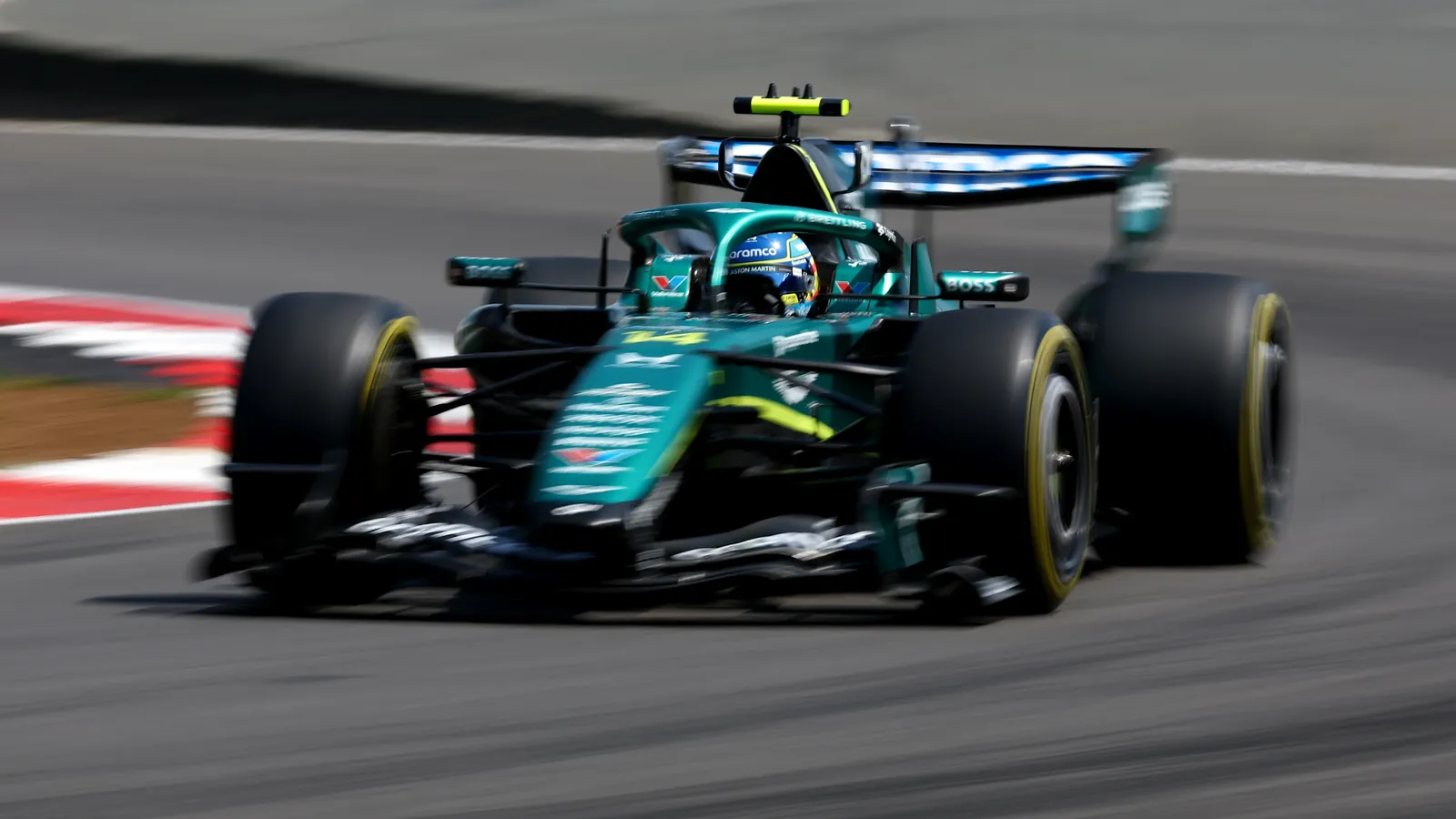
The upgrade package for Hungary is described as the first stage of their development, with a second stage planned for Zandvoort. While the core structural elements like the chassis and gearbox architecture remain, weight has been removed from both, necessitating re-homologation and crash testing of the forward chassis. The front suspension is unchanged, but the rear suspension has been slightly revised, alongside a new nose and substantially revised aerodynamic surfaces. The aim is to bring the car very close to the weight limit.
Alonso’s Perspective and Future Considerations
Fernando Alonso, who will be 45 on 29 July, is currently weighing his future in Formula 1 as his contract concludes at the end of the season. Despite his commitment to Aston Martin for the long term, his decision to continue racing will not be solely based on the performance of the new upgrade.
Alonso has expressed concerns about the high levels of energy management required by the latest generation of F1 engines, questioning if it provides him with sufficient enjoyment and adrenaline as a driver. This issue is more pronounced on high-speed tracks, but the Hungarian Grand Prix circuit is slower, meaning engine management is not expected to be a factor.
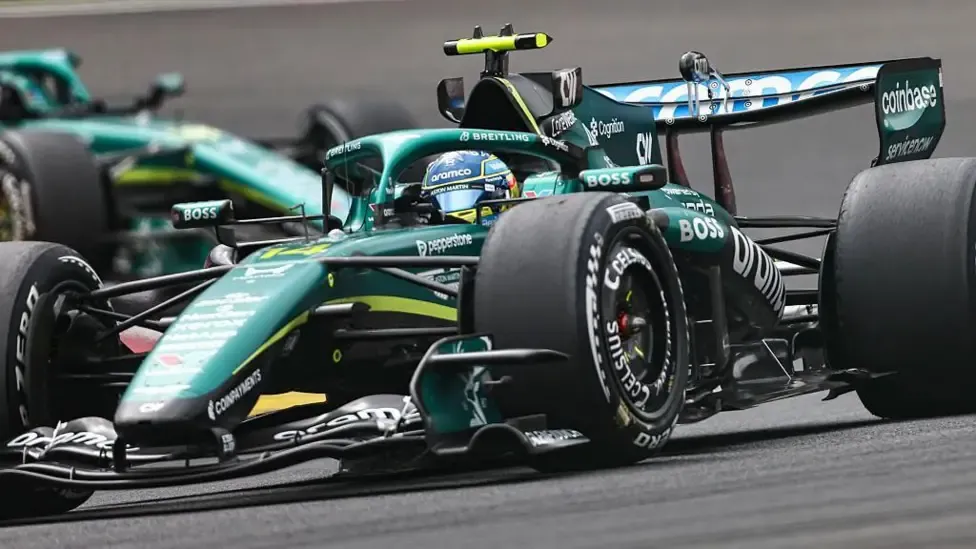
He stated that he feels fresh, motivated, and fast, but needs to enjoy what he does. He found recent races at Silverstone and Spa unenjoyable. Alonso believes that Adrian Newey will eventually provide the best car on the grid and that Honda will address the power unit issues over time. He is looking to see the initial progress with the new package.
Aston Martin‘s Chief Trackside Officer, Mike Krack, emphasised that the most important goal for the team with these upgrades is to return to competitive racing, as they have struggled to keep up with the midfield in recent events. The Honda engine upgrade is scheduled to arrive at the Dutch Grand Prix, following Formula 1‘s four-week summer break.
Shintaro Orihara, Honda‘s Trackside General Manager and Chief Engineer, noted that the relationship between Aston Martin and Honda has strengthened through challenging moments, building a foundation for collaboration. Krack added that both teams worked together through difficult discussions, improving their technical collaboration between Silverstone and Sakura.
Reserve driver Jak Crawford, runner-up in F2 last season, has played a crucial role in the development push, complementing his real-life runs with extensive simulator work, where he has already tested the upgraded AMR26.
The team’s internal targets suggest the upgrade could be worth several seconds of lap time, potentially as much as two seconds, covering the new aero package and car revisions for Hungary, plus the Honda engine upgrade for the Dutch Grand Prix.
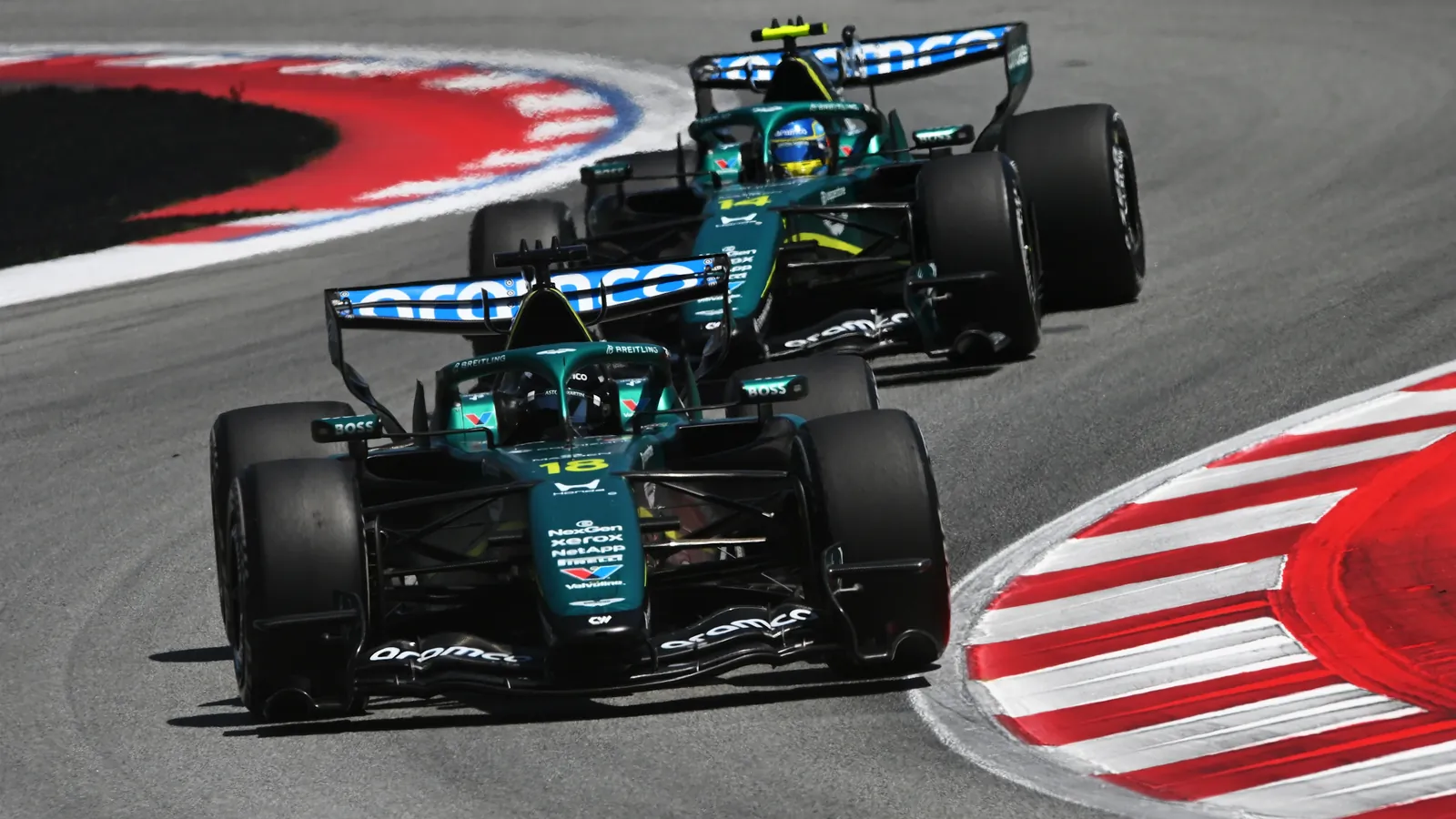
Lance Stroll, Alonso’s teammate, has also voiced frustration with the car’s current performance, stating that there are no strengths and that the team can only improve. He even deliberately provoked the car at Silverstone to demonstrate its poor performance to the team. The Aston Martin team is under pressure to deliver with this upgrade, especially given their performance at the Belgian Grand Prix.
The Hungarian Grand Prix will provide the first opportunity to assess the impact of these significant changes.
Read Also
Source: bbc.co.uk

As NewsUK's Senior Football Correspondent, Thomas Beckwith reports on the Premier League, the EFL and the England national side for readers across the country. He reported on three World Cups for a national news agency. He holds a degree in Sports Journalism from Sheffield Hallam University and completed an NCTJ diploma. Thomas lives in Sheffield, where he watches lower-league football most weekends. “Football writing is about the decisions, not just the result.”