Labour Day Protests: A Global Call for Workers’ Rights
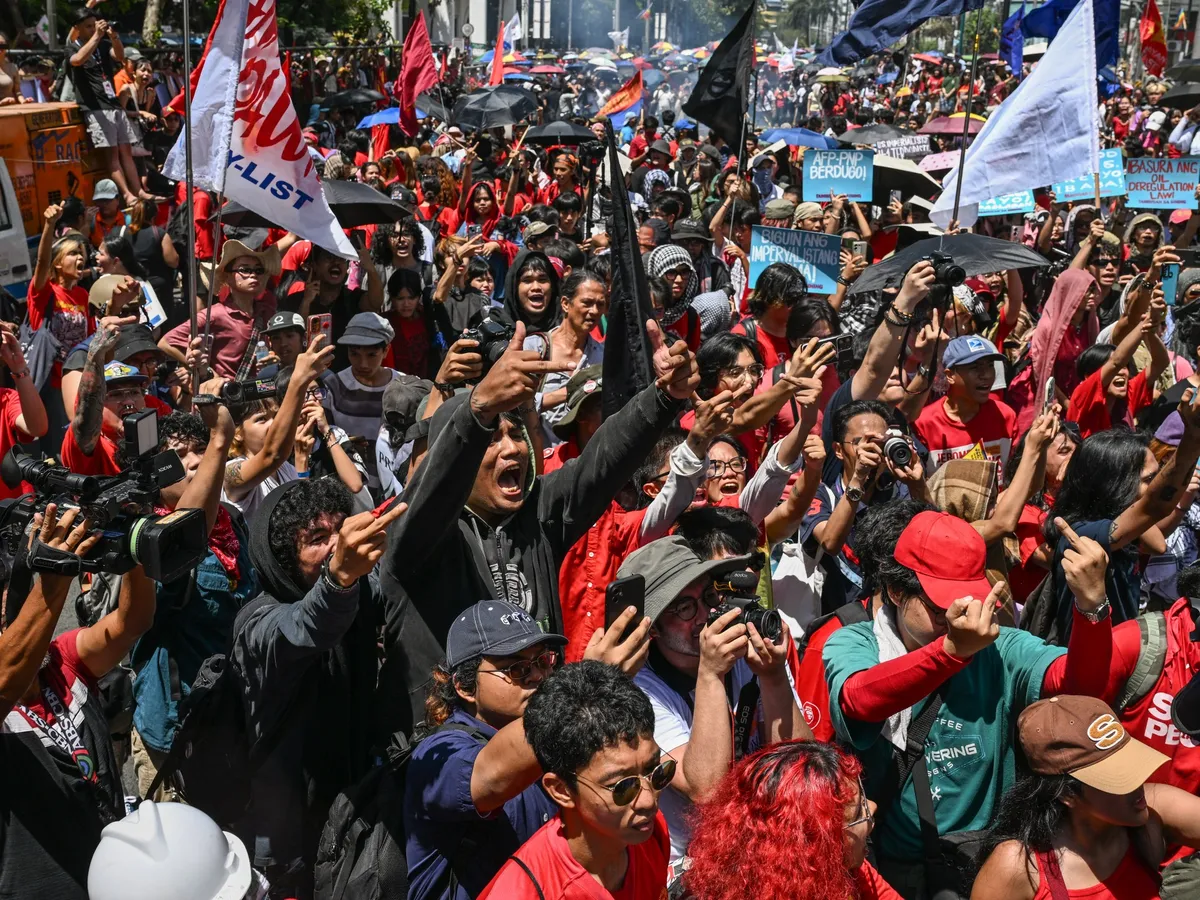
On May 1, 2026, Labour Day rallies erupted globally, with workers protesting against soaring energy prices and voicing demands for solidarity in the face of an economic crisis. From the streets of Paris to the heart of Manila, trade unions mobilized thousands, uniting under a common cause.
In Argentina, workers rallied fiercely against President Javier Milei’s overhaul of labour protections. The protests were not just local; they echoed a broader sentiment felt across various nations. In Gaza, however, the situation took a different turn as Palestinian workers canceled their May Day events due to severe economic conditions exacerbated by ongoing conflict. Reports indicate that around 550,000 workers across Gaza and the West Bank currently have no income.
The backdrop of these protests is steeped in history. International Workers’ Day was first proclaimed at the International Workers Congress in Paris in 1889, following significant labor movements like the Haymarket Affair in 1886. These events laid the groundwork for collective bargaining and workers’ rights that many now fight to preserve amidst rising global tensions.
Key statistics from today’s rallies:
- 93 trade union organizations represented by the European Trade Union Confederation participated in various events.
- Protests in France highlighted demands for increased wages due to unprecedented spikes in fuel prices.
- In the Philippines, Josua Mata stated, “Every Filipino worker now is aware that the situation here is deeply connected to the global crisis.”
The European Trade Union Confederation articulated a strong message: “Working people refuse to pay the price for Donald Trump’s war in the Middle East.” This sentiment resonated widely as workers across continents expressed their frustrations over economic disparities and political decisions impacting their livelihoods.
This year’s Labour Day reflects not only a celebration of past victories but also a poignant reminder of ongoing struggles. Renato Reyes emphasized that “there will be a louder call for higher wages and economic relief because of the unprecedented spikes in fuel prices.” The collective voice of workers serves as both a warning and a rallying cry as they navigate these challenging times.
The Durham Miners’ Gala stands as a significant event celebrating workers’ struggles in North East England. It symbolizes solidarity among laborers who have fought tirelessly for their rights over decades. As Labour Day unfolds globally, it becomes clear that while challenges persist, so does the spirit of unity among workers everywhere.
Related Posts
Petition for Legal Parent Recognition Gains Momentum in the UK

UK state pension age increase