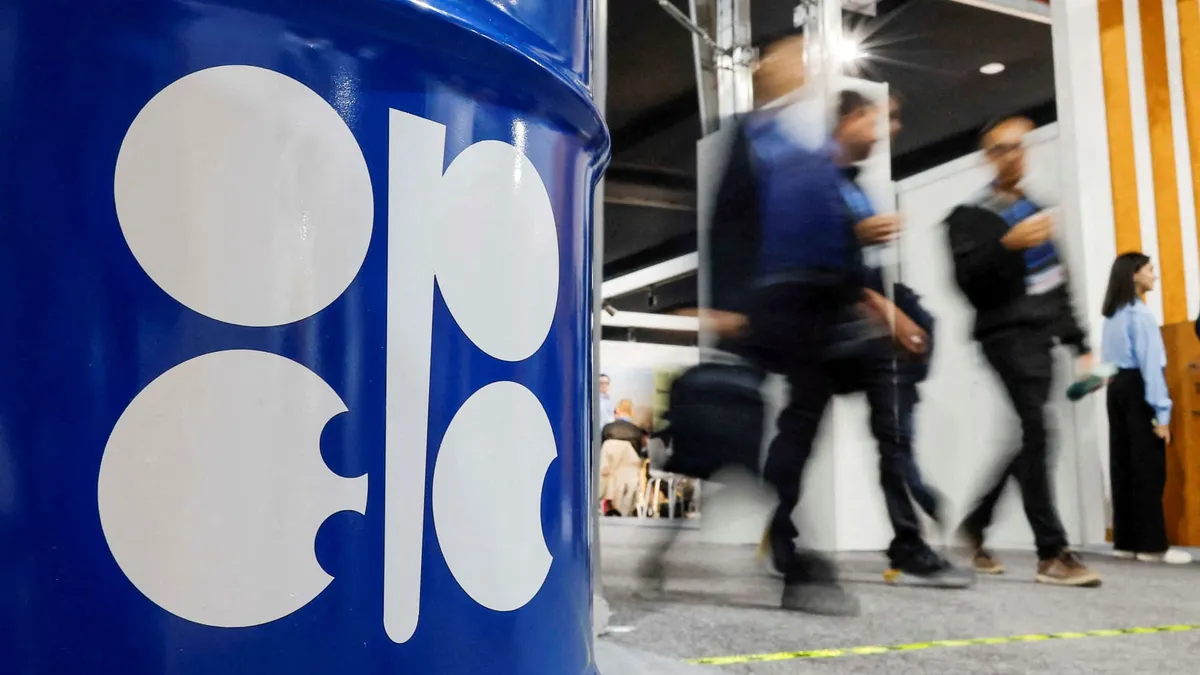
Opec: UAE’s Exit from Signals Shift in Global Energy Market
The United Arab Emirates has officially quit OPEC, marking a significant blow to the oil cartel. This decision, effective April 28, 2026, comes amidst rising global oil prices and geopolitical tensions related to the Iran war.
Since joining OPEC in 1967, the UAE remained a member even after its formation as a nation in 1971. Over the years, it has played a crucial role within the organization. However, recent criticisms of fellow Arab states for not adequately protecting it from Iranian threats have led to this departure.
On April 28, 2026, the UAE’s exit will take effect. Anwar Gargash, a prominent Emirati politician, expressed his disappointment with the Gulf Cooperation Council’s political and military support: “The Gulf Cooperation Council countries supported each other logistically, but politically and militarily, I think their position has been the weakest historically.”
OPEC members have faced challenges in shipping crude oil exports through the Strait of Hormuz due to Iranian threats. This strategic waterway is crucial; about a fifth of the world’s crude oil and liquefied natural gas passes through it.
As tensions rise, Donald Trump has accused OPEC of inflating oil prices. The Brent crude oil price surged to $119.50 per barrel since the outbreak of hostilities in Iran—representing a 3.4% increase that has alarmed many nations.
Gargash also remarked on his surprise at the lack of action from the Gulf Cooperation Council regarding these issues: “I expect this weak stance from the Arab League and I am not surprised by it, but I haven’t expected it from the [Gulf] Cooperation Council and I am surprised by it.”
The implications of the UAE’s exit extend beyond just its relationship with OPEC; they resonate throughout the global energy market. As countries grapple with fluctuating oil prices and regional instability, this shift could redefine alliances and strategies among Gulf producers and their global partners.
The next few months will be critical as stakeholders assess how this exit will reshape both OPEC’s influence and broader energy dynamics worldwide.
Related Posts
Petition for Legal Parent Recognition Gains Momentum in the UK

Andrea Berta