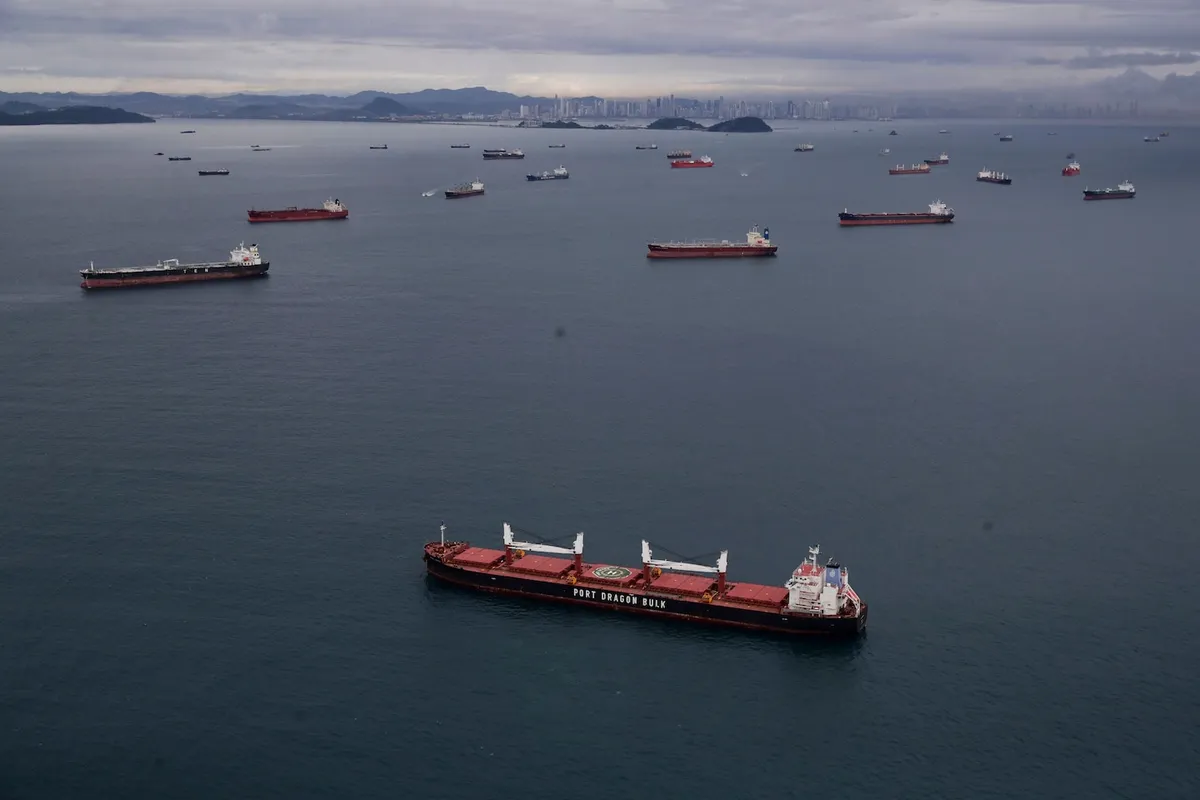
Panama Canal Dispute Escalates Tensions Between the US and China

The Panama Canal has become a significant geopolitical flashpoint between the United States and China, escalating tensions that impact global trade dynamics. As of April 2026, accusations have flown back and forth, with the US alleging that China detained numerous Panama-flagged vessels—an assertion that China vehemently denies.
Key facts:
- The average number of daily transits through the Panama Canal increased from 34 in January to 37 in March 2026.
- In March alone, nearly 70 Panama-flagged ships were detained in Chinese ports, a figure that exceeds historical norms.
- Some vessels have resorted to paying as much as USD 4 million to bypass queues at the canal.
The roots of this dispute trace back to January 2026 when Panama’s Supreme Court annulled contracts that had allowed CK Hutchison Holdings to operate critical port terminals. This decision sent shockwaves through the maritime industry, prompting swift reactions from both the US and several Latin American countries. Marco Rubio stated, “Panama is a pillar of our maritime trading system, and as such must remain free from any undue external pressure.” Meanwhile, Laura DiBella warned that these actions could lead to significant commercial consequences for US shipping.
China’s perspective differs sharply. Lin Jian argued that it is the United States that has politicized and securitized port issues, complicating an already tense situation. The fallout from these events highlights how intertwined maritime trade is with geopolitical maneuvering. The Panama Canal remains crucial for approximately six percent of global trade—a statistic that underscores its importance in international shipping routes.
As tensions rise, officials are left grappling with uncertainty regarding future developments. No definitive timeline has emerged regarding further legal or diplomatic actions surrounding this issue. However, the stakes continue to escalate as both nations navigate their positions on this vital maritime chokepoint.

As NewsUK's Senior Football Correspondent, Thomas Beckwith reports on the Premier League, the EFL and the England national side for readers across the country. He reported on three World Cups for a national news agency. He holds a degree in Sports Journalism from Sheffield Hallam University and completed an NCTJ diploma. Thomas lives in Sheffield, where he watches lower-league football most weekends. “Football writing is about the decisions, not just the result.”
Related Posts

Andrea Berta
Scott Bessent Faces Criticism Amid Iran Conflict