UEFA maintains boycott stance as Infantino remains FIFA president

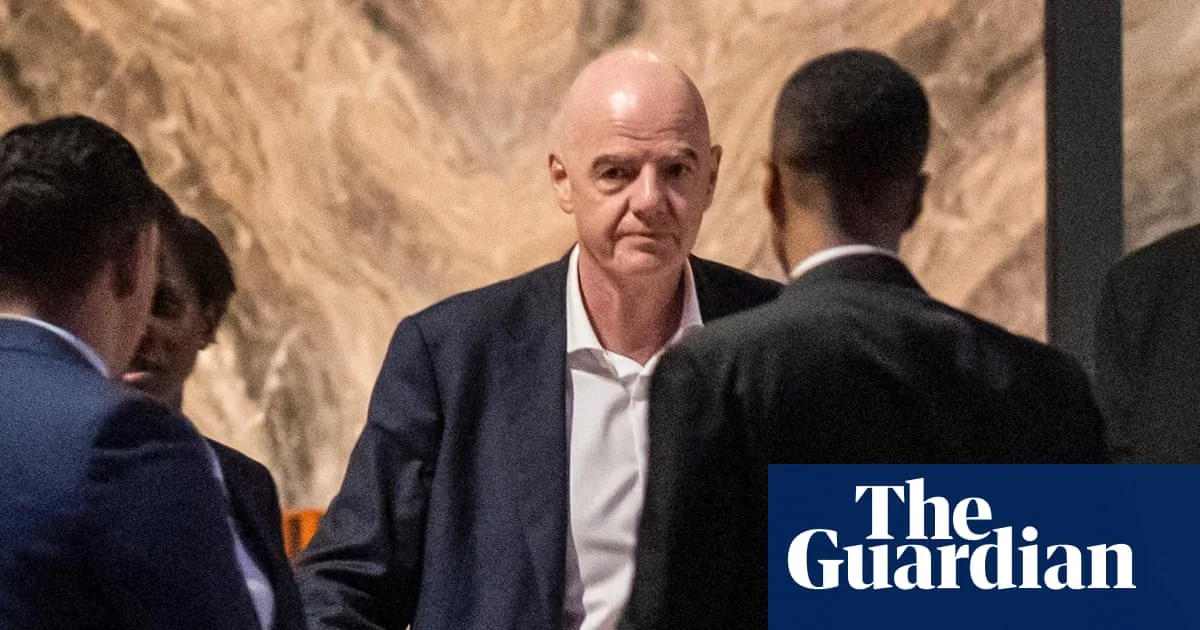
UEFA is continuing its boycott of FIFA tournaments, despite Gianni Infantino retaining the full support of FIFA‘s management board. This stance comes after Infantino abandoned his plan to sell stakes in a company intended to manage the World Cup to private investors.
The plan, which involved selling a 21% stake to Thrive Capital for $4.2bn, was rejected by three continental confederations before its withdrawal. UEFA had threatened to boycott FIFA competitions until the proposal was scrapped, a position it reiterated recently.
Concerns Over World Cup Valuation
UEFA is planning to commission an independent valuation of FIFA‘s World Cup sale plans. Concerns have been raised that Gianni Infantino may have agreed to sell the tournament’s future profits to a private equity firm at a rate below market value.
The European governing body remains unpersuaded by a written apology issued by Infantino to FIFA‘s 211 member associations. It intends to continue pushing for his removal, with tactics including further scrutiny of the proposal that Infantino later conceded was “a mistake.”
The abandoned FIFA Forward Enterprise plan involved a 21% stake sale to Thrive Capital. This US private equity firm is led by Joshua Kushner, the brother of Donald Trump‘s son-in-law, Jared Kushner.
UEFA played a significant role in FIFA‘s decision to reverse course, which was prompted by all 55 member associations threatening to boycott the World Cup and other tournaments. The organisation is now seeking to understand how the $20bn valuation of FIFA‘s commercial assets was determined.
Several market analysts have been consulted by UEFA regarding an independent valuation, and a formal study is anticipated once the immediate situation surrounding Infantino‘s future has stabilised. Details circulated for the FIFA sales deck reportedly did not include information on the valuation process or evidence of a competitive tender.
One source familiar with UEFA‘s plans questioned the valuation, stating, “We need to find out if they were selling the World Cup at a knockdown price. How did they get to $20bn? Was it a robust process?”
FIFA‘s revenues for the four-year cycle culminating in this summer’s World Cup were $15bn. Market analysts have suggested that a $20bn valuation appears low, especially since the proposal did not seem to include provisions to prevent expansion and the creation of new tournaments.
The source added that the World Cup is a unique global entertainment event, making a $5bn increase on current revenues seem low. This suggests a potentially low offer, as the obvious financial upside from investor demands for further expansion, such as more teams, more regular World Cups, and more Club World Cups, was not factored into the price.
UEFA has also called for a thorough review of FIFA‘s governance and has threatened legal action. FIFA is attempting to present a unified front despite internal criticisms of the sell-off plan from key figures, including secretary general Mattias Grafström, chief operating officer Kevin Lamour, and head of football development Arsène Wenger.
Jordan FA’s Stance and Prize Money
Prince Ali Al Hussein, president of the Jordan FA and a former FIFA vice-president, has consistently challenged Gianni Infantino since their 2016 election rivalry. Recently, Al Hussein stated that FIFA had not provided Jordan with the prize money earned for reaching the final of the Arab Cup in Qatar, while FIFA reportedly highlighted its billions in reserve.
After Jordan qualified for the World Cup for the first time, Prince Ali claimed he was “blackmailed” during his time in North America, being told that endorsing Infantino would significantly assist the Jordan FA.
Prince Ali has since confirmed that Jordan has received its prize money. He expressed gratitude to the FIFA administration for delivering the funds owed to their players and coaching staff, noting that this funding should have been received eight months prior.
Despite this development, Prince Ali‘s view of Infantino remains unchanged. He stated that while the payment is positive for their players, it does not alleviate serious concerns within the football world regarding FIFA‘s leadership, nor does it alter past experiences of FAs.
He described the situation as symptomatic of the difficulties faced, often linked to FIFA presidential elections. Prince Ali affirmed his clear position: his FA and he will not endorse or vote for President Infantino.
Infantino appeared alongside Grafström at a Women’s Africa Cup of Nations group game in Morocco after crisis talks in Rabat, followed by a FIFA statement asserting the president’s full support.
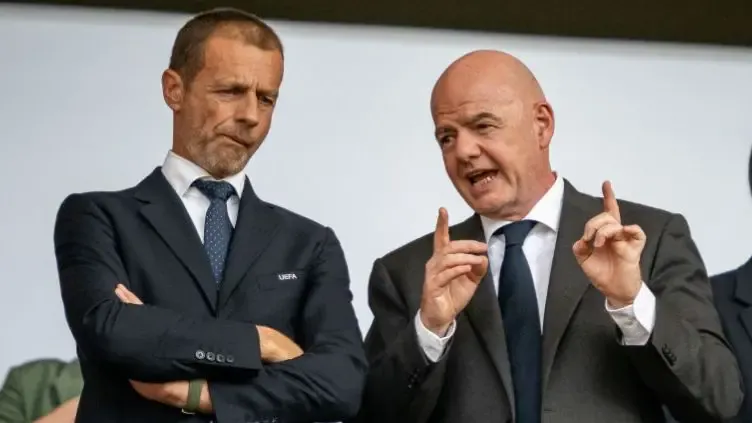
This apparent support suggests that any further push for change will likely need to originate from outside the organisation. UEFA‘s statement on Saturday made it clear that it had lost confidence in Gianni Infantino‘s presidency, a position that continues to hold.
The announcement that some individuals employed by the FIFA President, whose careers depend on his favour, agree with him, changes nothing for UEFA.
UEFA‘s associations were explicit about the conditions for not participating in FIFA competitions: proposals to sell off major competitions had to be withdrawn, and assurances were needed that such attempts to “disfigure the game” would not be made again. These conditions, according to UEFA, have not been met.
The situation remains dynamic as UEFA continues to scrutinise FIFA‘s governance and financial dealings.
Source: bbc.co.uk

Nathan Crowley is the Sports News Writer at NewsUK, covering rugby union, golf and boxing with six years of reporting experience. He moved from regional newspapers into digital sport. He holds a degree in Journalism from Cardiff University and completed an NCTJ diploma. Based in Cardiff, he plays amateur rugby and follows the Six Nations closely. “Speed and accuracy are not a trade-off in sport news.”