Tyneside reflects on Kevin Keegan’s managerial tenures at Newcastle

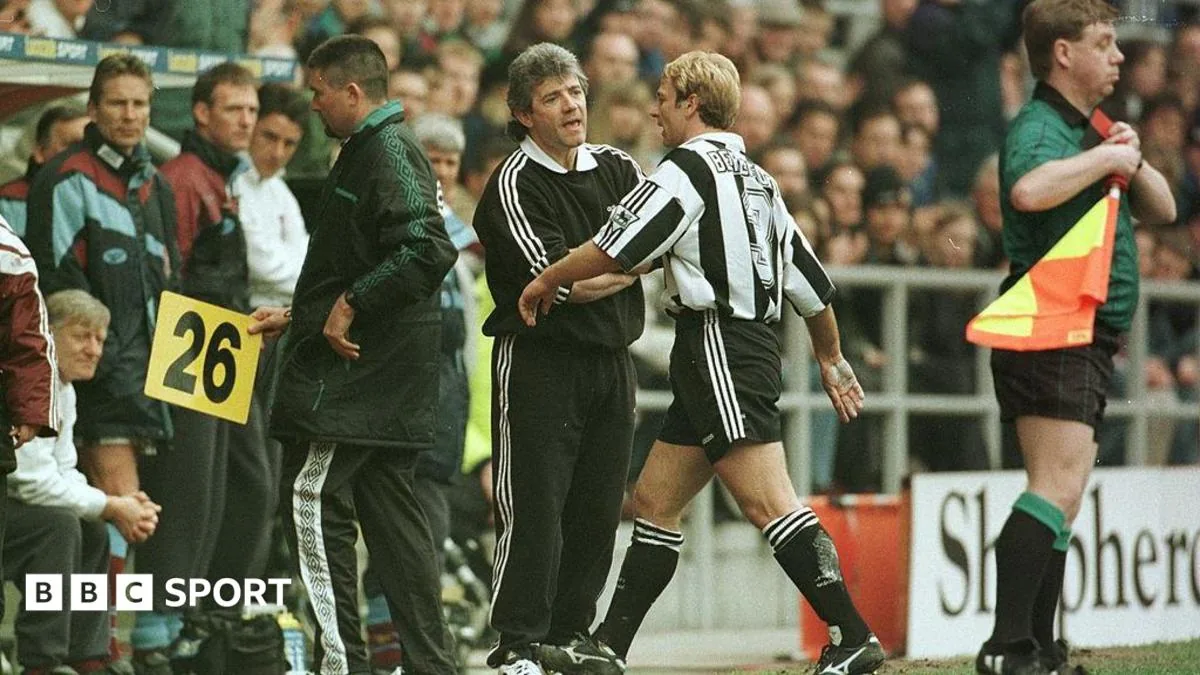
Kevin Keegan‘s time as manager of Newcastle United saw periods of both significant achievement and disappointment. His first spell, beginning in the early 1990s, was marked by an attacking style of play, with his former teammate Terry McDermott by his side. The club’s chairman, Sir John Hall, was instrumental in shaping the off-field strategy during this era.
Initially, there were disagreements between Keegan and Hall regarding transfer funds. However, these issues were resolved, paving the way for the club’s ascent. Keegan is credited with saving Newcastle from potential relegation to the third tier and subsequently guiding them to promotion to the Premier League. In the 1993-94 season, Newcastle finished behind Manchester United and Blackburn Rovers, showcasing their attacking prowess with goals from strikers Andy Cole and Peter Beardsley.
Key Transfers and Title Challenge
A notable event during Keegan’s first tenure was the sale of Andy Cole to Manchester United in January 1995. Keegan publicly addressed unhappy fans outside St James’ Park to explain the decision. The 1995-96 season represented a significant high point and a major disappointment for the club. Strengthened by additions like Les Ferdinand and David Ginola, Newcastle established a 12-point lead in the title race.
Despite this advantage, they ultimately lost out to Manchester United. This period included a memorable 4-3 loss to Liverpool in April, with Liverpool scoring in stoppage time. Following comments from Alex Ferguson questioning the effort of other teams against Newcastle, Keegan delivered a famous quote, stating, “I will love it if we beat them. Love it.” However, Newcastle did not win the league that season.
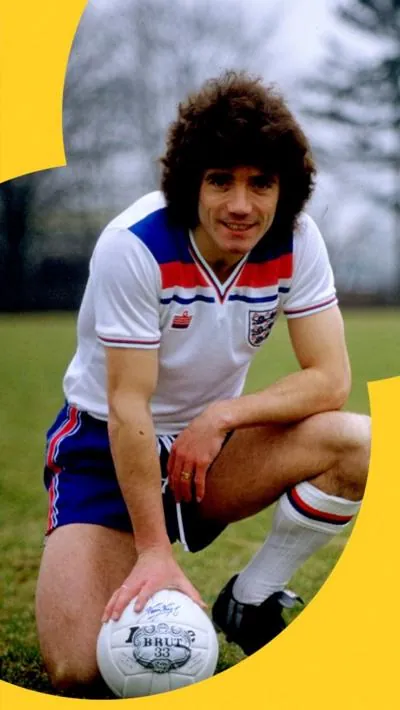
Later, Alan Shearer, a top English goalscorer, chose to join Newcastle, rejecting Manchester United, in a world-record move from Blackburn. Shearer’s debut resulted in a 4-0 defeat in the Charity Shield against the club he had turned down, but Newcastle secured a 5-0 home victory in the Premier League against the same opponent two months later. Keegan then resigned on 8 January 1997, stating he felt he had taken the club as far as he could.
Second Stint and Legacy
Kevin Keegan returned to Newcastle United as manager in January 2008, an announcement that was met with enthusiasm on Tyneside. This second period was short-lived, however, as Keegan resigned after eight months due to differences with then-owner Mike Ashley and the club’s hierarchy, which included his former England player Dennis Wise, then an executive director.
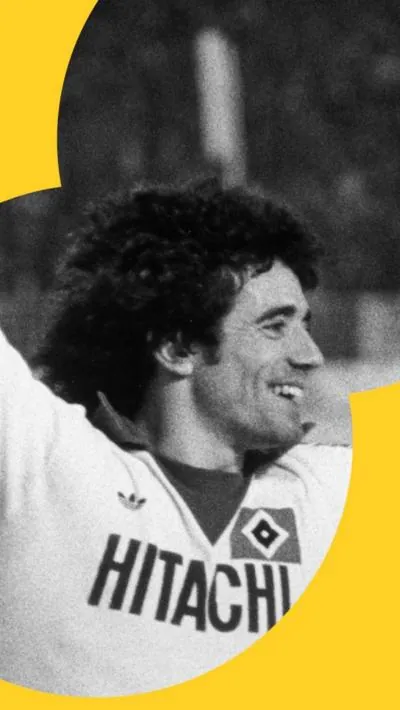
Beyond his managerial roles, Keegan was also a successful player, winning the First Division title three times, the UEFA Cup twice, and the European Cup once with Liverpool. He also earned two Ballon d’Or awards while playing for German side Hamburg. He also managed England between February 1999 and October 2000, as well as Fulham and Manchester City.
Keegan was known as an avid racing fan and co-owned Funfair Wane, a dual Ayr Gold Cup winner, alongside his wife, Jean, who bred the horse. Adrian Nicholls, who rode for Keegan, described him as an “icon across the world.” Keegan also co-owned horses with his former Southampton teammate Mick Channon, who later became a trainer. In 2000, Keegan managed the European team at the Shergar Cup at Ascot, leading them to victory.
Read Also
Source: bbc.co.uk

As NewsUK's Senior Football Correspondent, Thomas Beckwith reports on the Premier League, the EFL and the England national side for readers across the country. He reported on three World Cups for a national news agency. He holds a degree in Sports Journalism from Sheffield Hallam University and completed an NCTJ diploma. Thomas lives in Sheffield, where he watches lower-league football most weekends. “Football writing is about the decisions, not just the result.”