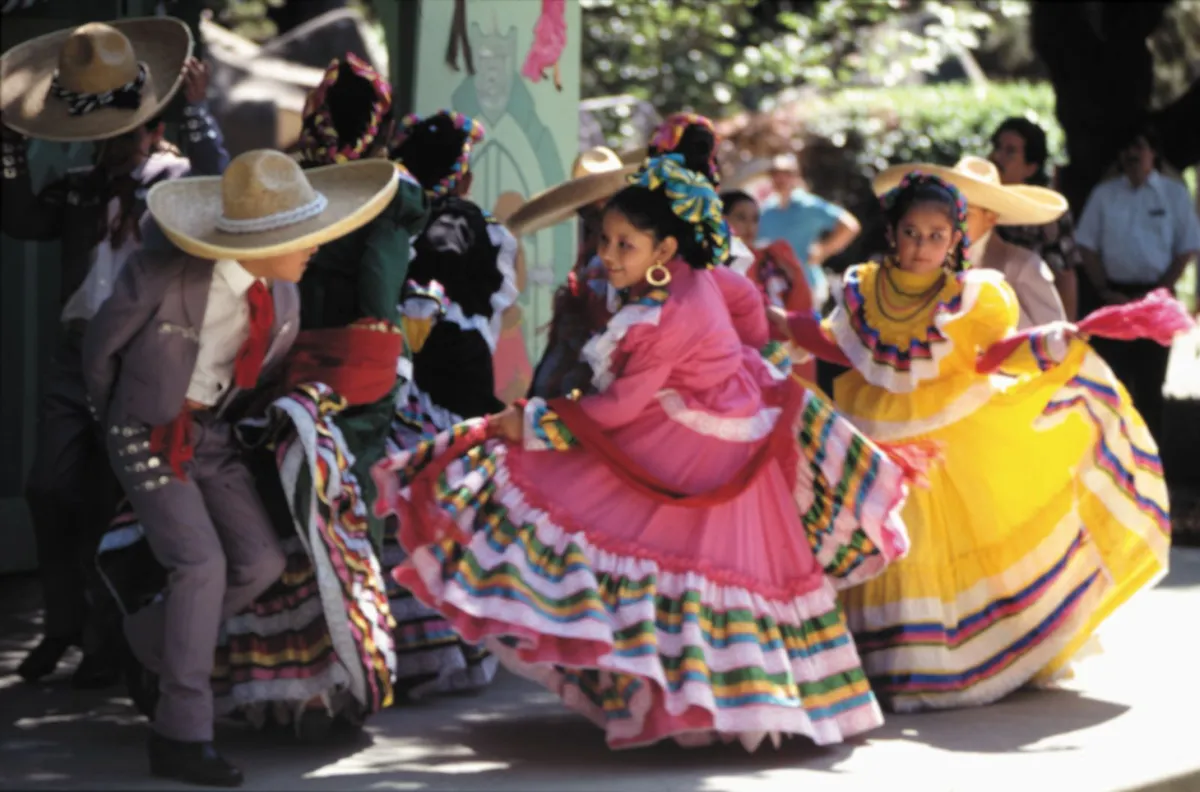
Cinco de Mayo Celebrations Honor Mexican Heritage

Cinco de Mayo, celebrated on May 5, has evolved into a day where Americans increasingly honor Mexican history and culture instead of simply indulging in festivities. Once synonymous with drinking games dubbed “Cinco de Drinko,” the holiday now highlights the significance of the Battle of Puebla in 1862, where Mexican forces triumphed over the French.
This shift in focus reflects a broader cultural understanding. Nayomie Mendoza, a community organizer, emphasizes, “It just showed resilience. So, on Cinco de Mayo we always make it a testament of our resilience.” Events across the United States now showcase traditional music, food, and educational programs, moving beyond mere revelry.
Key features of U.S. celebrations include:
- Vibrant parades featuring mariachi bands and folklórico dancers that celebrate Mexican heritage.
- A plethora of street food vendors serving authentic Mexican cuisine, from tacos to tamales.
- Community events that incorporate historical education about the significance of Cinco de Mayo.
Cinco de Mayo is often misunderstood; many confuse it with Mexican Independence Day, celebrated on September 16. As Mendoza points out, “Instead of celebrating a stereotype, we might become curious about the real history and culture behind what is in our glass.” This desire for authenticity resonates with many Hispanic-owned businesses, which represented 8.4% of U.S. employers in 2024.
The holiday’s roots lie in a pivotal moment during the Franco-Mexican War when General Ignacio Zaragoza led Mexican troops to victory at Puebla. Historical reenactments continue to take place annually in Puebla, reminding attendees of this significant event.
The rise of traditional drinks:
- Sotol, made from the Dasylirion plant, is gaining popularity as a third pillar alongside tequila and mezcal.
- Sotol takes approximately 15 to 20 years to mature before it can be distilled.
- Margaritas remain a staple drink during celebrations, often enjoyed alongside festive meals.
This year, as festivities unfold across cities from Los Angeles to New York, observers note a growing trend towards honoring cultural roots while enjoying traditional foods and drinks. The future of Cinco de Mayo seems poised for further evolution as communities embrace deeper connections to their heritage.

Isla Hartley is a Sports Reporter at NewsUK. She covered the British summer of sport from Wimbledon to the Test grounds. She focuses on tennis, cricket and athletics and is known for clear, deadline-driven reporting. She holds a degree in Sports Studies from the University of Stirling and completed an NCTJ diploma. Now based in Glasgow, she runs half-marathons and follows Scottish athletics. “The overlooked athlete usually has the better story.”
Related Posts

Sony PlayStation Plus June 2026: A Challenging Month Ahead

Evil Dead Burn: A Family Reunion Gone Horribly Wrong