Cyprus Faces Tourism Decline Amid Livestock Culling Crisis
As of May 2026, Cyprus is grappling with a significant drop in tourism bookings, particularly from the UK, which has seen a staggering 60% decrease. This downturn coincides with a critical livestock culling crisis affecting the island.
The UK government has advised travelers to remain vigilant, citing geopolitical instability in the Eastern Mediterranean as a primary concern. “British tourists should remain alert and follow instructions from local authorities,” they stated, reflecting widespread apprehension among potential visitors.
In the midst of this turmoil, Cyprus faces an unprecedented livestock culling crisis. Approximately 38,900 sheep and goats, 2,247 cattle, and 21,500 pigs have been culled due to health protocols mandated by the government. The situation has led to frustration among farmers who feel inadequately compensated for their losses.
Key statistics on the livestock culling:
- 38,900 sheep and goats have been culled.
- 2,247 cattle have been removed from farms.
- 21,500 pigs have been affected by the culling measures.
- A loss of 9.5% of adult sheep and goats has been reported.
- The government insists on following EU veterinary protocols throughout the process.
Despite these measures, many farmers express dissatisfaction. “The government insists on EU rules,” said Konstantinos Letymbiotis, a spokesman for the authorities. Yet farmers are still awaiting clear compensation details.
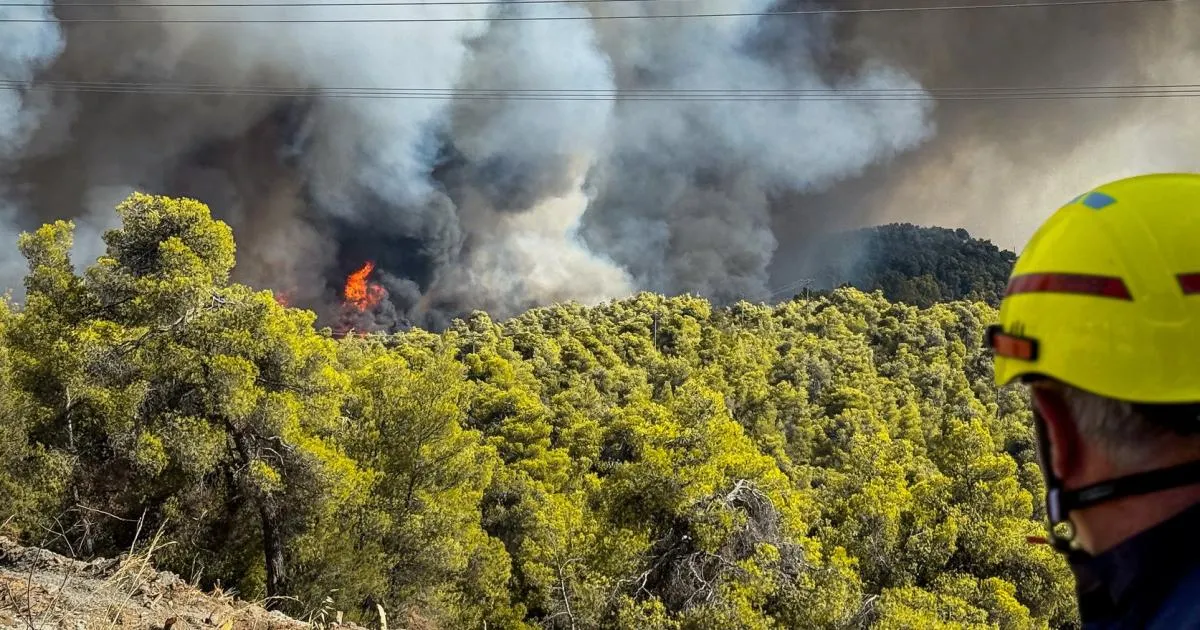
The Cypriot government continues to monitor both crises closely. A new firefighting hub near Paphos aims to bolster fire risk management amid rising concerns over wildfires that could exacerbate existing issues.
Dimitris Epaminondas, head of the Pancyprian Veterinary Association, emphasized that experts reject claims suggesting alternative EU protocols might exist for managing this crisis. This leaves little room for maneuvering as officials navigate through these concurrent challenges.
As Cyprus prepares for Commissioner Hadja Lahbib’s visit on May 6-7 to address fire risks and other pressing matters, local leaders hope for support amid these dual crises that threaten both agriculture and tourism on the island.
Related Posts

Inquest Reveals Systemic Failures in Mental Health Care

John Beaton’s Controversial Officiating Decisions