Prisoner
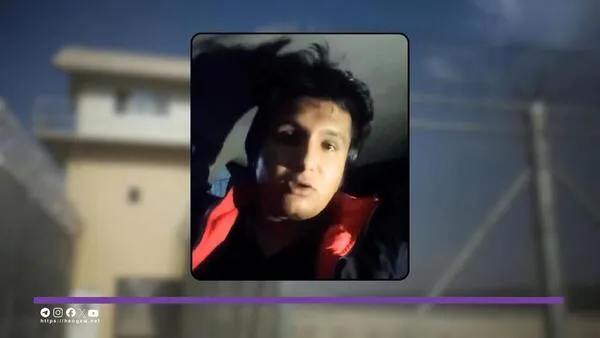
Dariush Rafiee Taghanki was arrested in Orumiyeh, Iran, on April 30, 2026, after four months in hiding. His capture follows a troubling trend in the country, where the Iranian judiciary has intensified its crackdown on dissent. On the same day of his arrest, Iran executed two men—Nasser Bakerzadeh and Yaghoub Karimpour—without notifying their families or lawyers.
Taghanki, now 28 years old and a member of the Qashqai Turk community, had been living under constant security pressure since early January. Authorities have not disclosed any information regarding the arresting body, his place of detention, or the charges against this former political prisoner.
In a chilling parallel to Taghanki’s situation, Bakerzadeh and Karimpour faced grim fates. The executions occurred just hours before Taghanki’s arrest. Both men had endured severe conditions; Karimpour described spending more than two months at the Ministry of Intelligence detention center under inhumane circumstances.
Key facts about the executions:
- Nasser Bakerzadeh had his death sentence overturned twice by the Supreme Court.
- Yaghoub Karimpour endured intense pressure to produce forced confessions.
- Both were transferred to solitary confinement shortly before their executions.
The circumstances of Bakerzadeh’s execution are particularly striking. Reports indicate that he was not informed of his impending execution until moments before it occurred. Karimpour categorically denied transmitting any information to any person or institution—a statement made under duress during his trial session, which lasted only 15 minutes.
As international scrutiny mounts over human rights violations in Iran, reactions to these events have varied. Human rights advocates express outrage over the lack of due process and transparency in these cases. Yet, amidst this turmoil, little has changed within the Iranian judiciary’s approach to dissenters.
Related Posts
Greater Manchester Police Airport Pursuit
Grant Greening-Steer compensation claim