North American World Cup marked by spectacle, controversy, and political interference

Tournament Overview and Controversies
The recent World Cup in North America, co-hosted by the United States, Mexico, and Canada, concluded with Spain defeating Argentina in the final. Despite moments of on-field drama and unexpected performances from teams like Cape Verde and Norway, the tournament was also characterised by significant off-field controversies and political undertones.
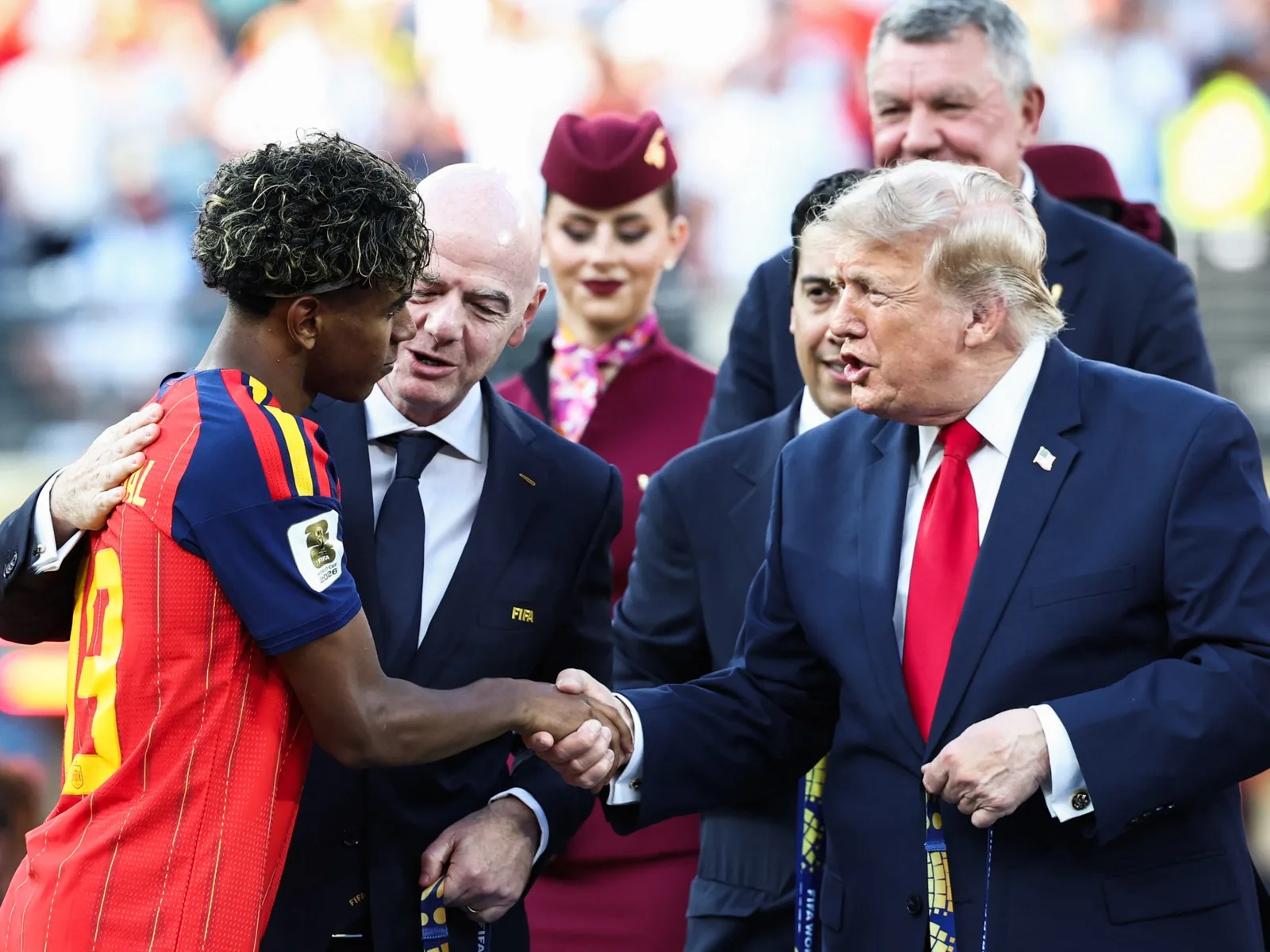
One notable incident involved United States President Donald Trump remaining on stage during the trophy presentation, requiring FIFA President Gianni Infantino to usher him away. This followed earlier reports of Trump’s intervention to overturn a suspension for USA striker Folarin Balogun, a decision that raised questions about political influence in the tournament.
The treatment of Iran also drew criticism, with the team facing arbitrary travel restrictions and anti-government protests. US Department of Homeland Security Secretary Markwayne Mullin publicly expressed satisfaction at Iran’s elimination, further highlighting the political dimensions of the event.
Fan Experience and Commercialisation
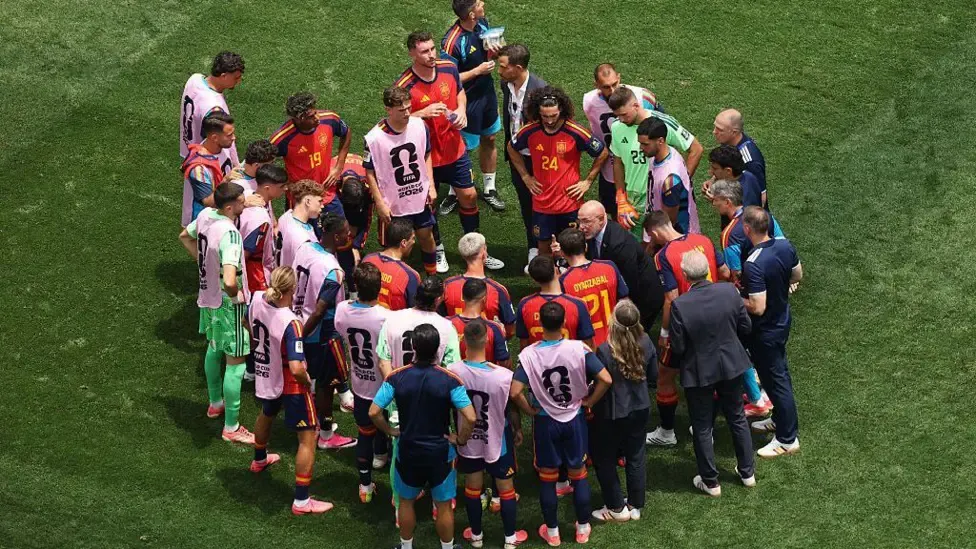
The tournament’s accessibility for many fans was a significant point of contention. Ticket prices, ranging from hundreds to hundreds of thousands of dollars, effectively excluded working-class fans. This commercialisation was further evident in the introduction of mandatory hydration breaks, which were used by broadcasters for commercials, leading to frustration among supporters.
Despite these high costs, FIFA reported near-full stadium capacities, with a record number of fans attending matches. The organisation also generated additional revenue through a secondary resale platform, adding a 30% fee to each sale. However, this did not prevent investigations into ticket pricing and practices by authorities in New York and New Jersey.
Logistical challenges also impacted the fan experience, particularly in host cities like New York and New Jersey, where the stadium’s suburban location made it difficult to access by public transport. Initial bans on water bottles in grounds and high transportation costs were eventually reversed after public backlash.
On-Field Action and Rule Changes
While the football itself offered moments of excitement, particularly in the early knockout rounds, the overall quality was described as good but not exceptional. Matches such as Brazil against Japan, Morocco against the Netherlands, and Argentina against Cape Verde provided drama, but the quarter-finals were less inspiring.
The expansion of the tournament to 48 teams saw debutants like Curacao, Cape Verde, Jordan, and Uzbekistan participate. Cape Verde, in particular, made a strong impression, drawing against Spain and Uruguay and taking Argentina to extra time in the knockout stages. This expansion, however, led to an increased number of games and a seeding policy designed to keep top-ranked teams apart until the semi-finals.
New laws were also implemented to improve the tempo of games, with Pierluigi Collina, FIFA’s head of referees, targeting time-wasting. While these measures led to slightly more ball-in-play time compared to the 2022 tournament, the effectiveness of the hydration breaks in promoting player welfare was questioned, given their use for commercial purposes.
The final match itself was described as a dismal affair, with Spain’s victory over Argentina concluding a tournament that, despite its spectacle, was overshadowed by various controversies and compromises.
Read Also
Source: theguardian.com

Isla Hartley is a Sports Reporter at NewsUK. She covered the British summer of sport from Wimbledon to the Test grounds. She focuses on tennis, cricket and athletics and is known for clear, deadline-driven reporting. She holds a degree in Sports Studies from the University of Stirling and completed an NCTJ diploma. Now based in Glasgow, she runs half-marathons and follows Scottish athletics. “The overlooked athlete usually has the better story.”