Tributes paid to Kevin Keegan after his death at 75

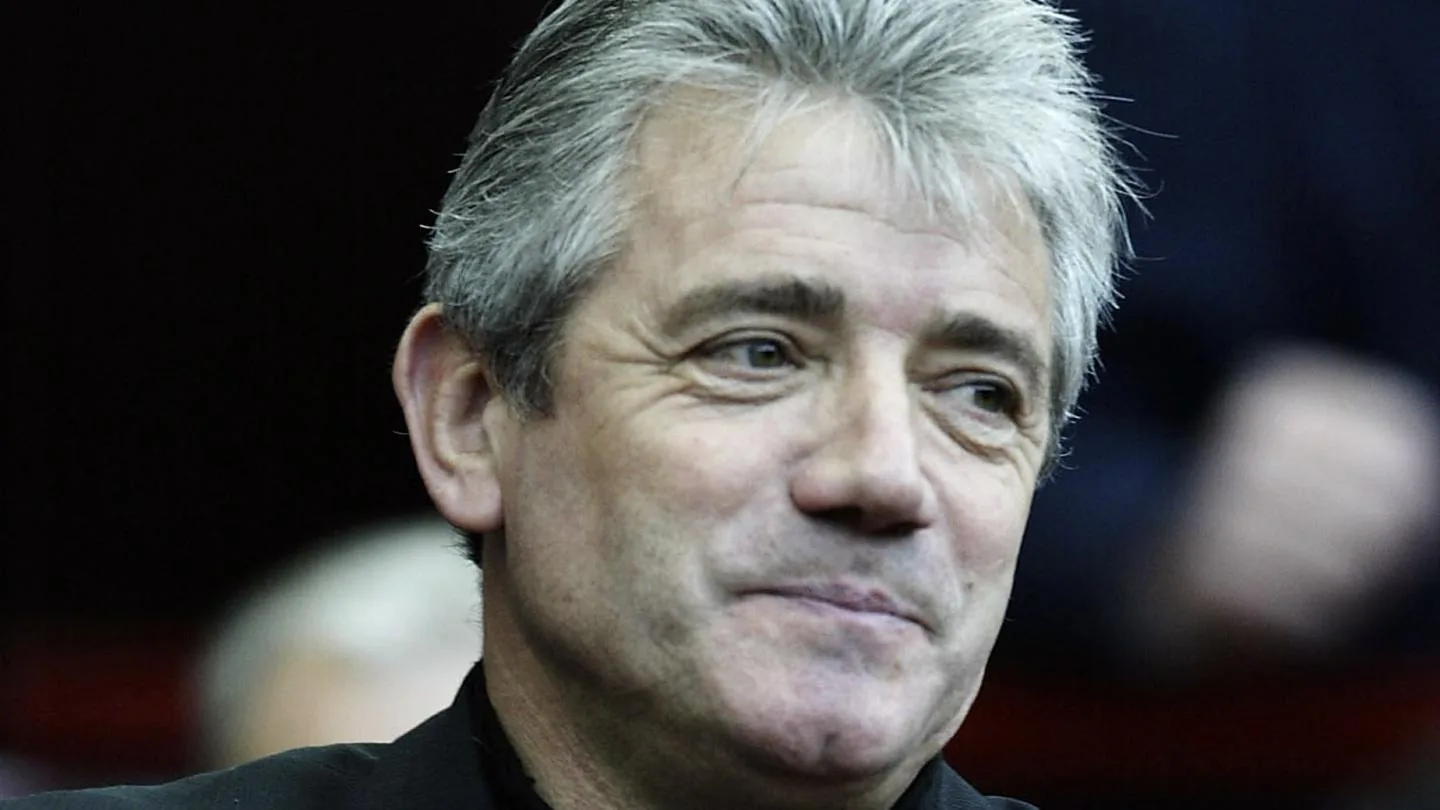
Tributes have been shared across the football world following the passing of Kevin Keegan at the age of 75. The former player and manager, who had undergone treatment for cancer, was remembered by former rivals, teammates, and those he managed.
Sir Alex Ferguson, former manager of Manchester United, paid tribute to his former rival, stating that Keegan “carried the love of the game on his sleeve.” Ferguson recalled their managerial duels, particularly when Keegan managed Newcastle United, and praised the impact he had on the Tyneside club.
Keegan’s Impact at Newcastle and Beyond
Keegan’s initial tenure as Newcastle United manager spanned from 1992 to 1997. During this period, he guided the club to promotion to the Premier League in the 1992-93 season. Three years later, Newcastle finished as runners-up to Ferguson’s Manchester United.
Ferguson highlighted Keegan’s role in revitalising the club, stating he “re-energised that club and he brought that enthusiasm and fanaticism that great supporters can give.” He also noted Keegan’s recruitment of players such as David Ginola, Faustino Asprilla, and Philippe Albert, which added a “bit of class to the team.”
One memorable moment from their rivalry was Keegan’s “I will love it if we beat them” comment, made during a television outburst aimed at Ferguson in 1996, as Newcastle ultimately lost the title race to United after holding a significant lead.
Despite their on-field rivalry, Ferguson recalled a meeting at Wentworth Golf Club weeks after the season concluded, where they spent time together without animosity. Ferguson respected Keegan for holding no grudges, calling it a “fantastic quality.”
Newcastle United’s current manager, Eddie Howe, also shared his appreciation for Keegan, describing him as an “inspiration” and a “friend whose guidance and support meant a great deal in recent years.” Howe stated that Keegan showed him “incredible warmth and generosity” and was always willing to share his wisdom.
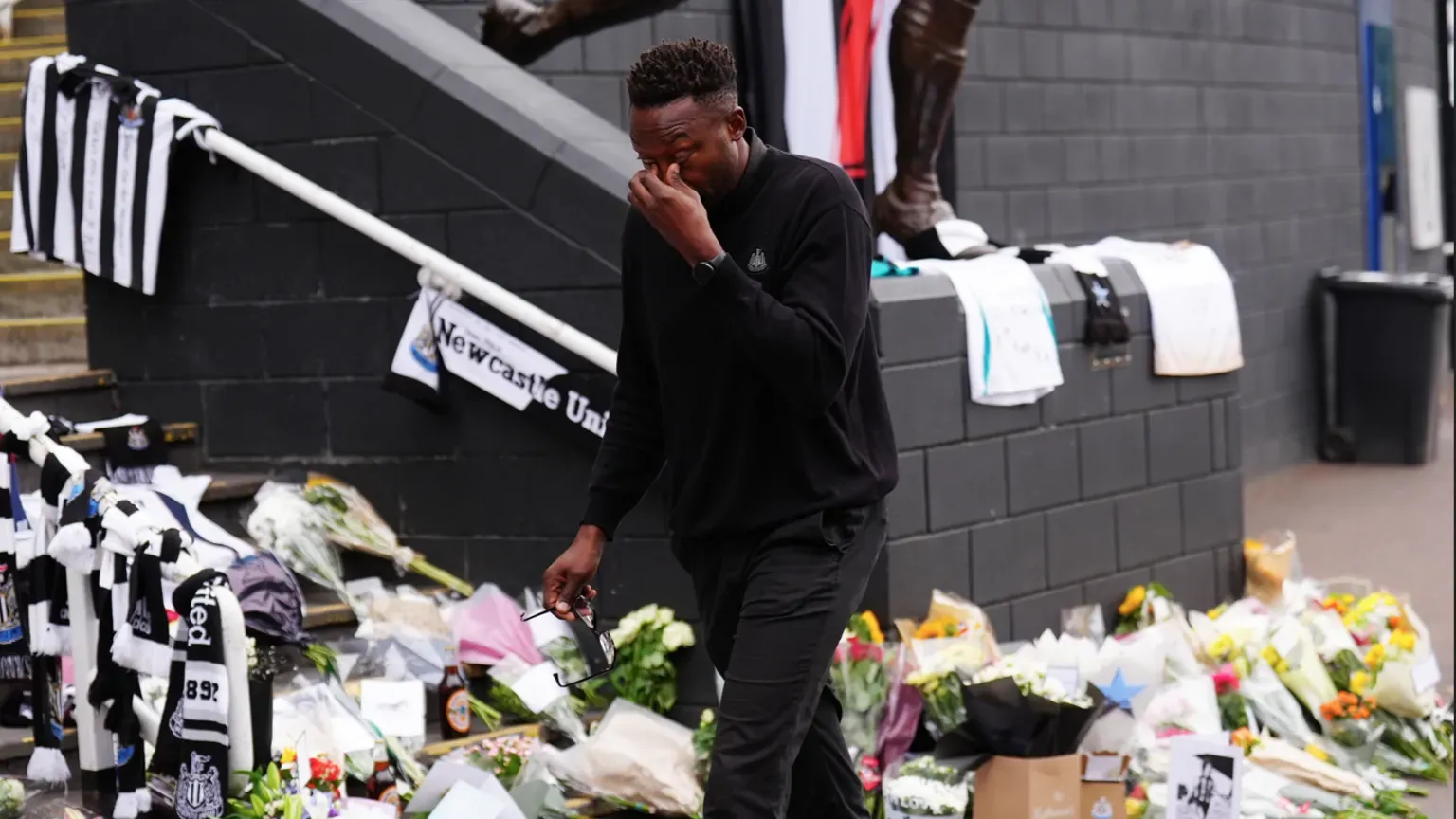
Former Newcastle player and boyhood fan Shola Ameobi was seen paying his respects at St James’ Park, where flowers have been laid by supporters. Newcastle United CEO David Hopkinson described the outpouring of tributes as “incredible and spontaneous.”
Keegan first arrived at Newcastle as a player in the 1982-83 season, helping the club achieve promotion to the First Division. He retired at the end of the subsequent season, famously departing St James’ Park in a helicopter after his testimonial match.
Originally from Yorkshire, Keegan expressed that joining the Magpies “felt like coming home,” given his family’s deep roots in the area. His grandfather, Frank, a County Durham miner, was a hero of the West Stanley Pit Disaster of 1909, having survived an explosion and returned to help save others. Both his grandfather and father, Joe, were lifelong Newcastle supporters.
Shaun Dalton, who was a ballboy at Keegan’s debut in 1982, recalled jumping on his back when he scored and referred to him as “an absolute legend of this city.” Dalton later met Keegan at a sports dinner, noting that he “had time for everybody” and was a “man of the people.”
Lee Clark, who played under Keegan in the 1990s, described him as a “hero” who became like a “father figure.” Clark recounted how Keegan, like a “Pied Piper to the Geordie public,” made him return sports cars to the garage because he disapproved of his driving.
A Stellar Playing and Managerial Career
Keegan’s playing career included spells at Scunthorpe United, Liverpool, Hamburg, Southampton, and Newcastle. During his six years at Liverpool from 1971 to 1977, he secured three league titles, the European Cup, and two Uefa Cups, along with an FA Cup.
He was part of the team that won Liverpool’s first European trophy, the UEFA Cup in 1973. His final appearance for the club saw Liverpool defeat Borussia Monchengladbach 3-1 in Rome in 1977 to lift their maiden European Cup.
At Hamburg, Keegan helped the club win the Bundesliga and earned back-to-back Ballons d’Or in 1978 and 1979, making him one of only four English players to have received the award.
As a manager, Keegan also led Fulham and Manchester City, in addition to his time with England and Newcastle. He signed Alan Shearer for Newcastle in 1996 for a then-world record fee of £15m. Shearer, who captained England during Keegan’s managerial tenure, described him as “My Hero. My manager. My friend.”
Sir Kenny Dalglish, who succeeded Keegan at Liverpool in 1977 and later as Newcastle manager, called him “one of the very best players of his generation” and a “genuine gentleman.” Dalglish noted that Keegan “wore Liverpool’s famous number seven shirt with great distinction” and that his teams played in a way supporters loved to watch.
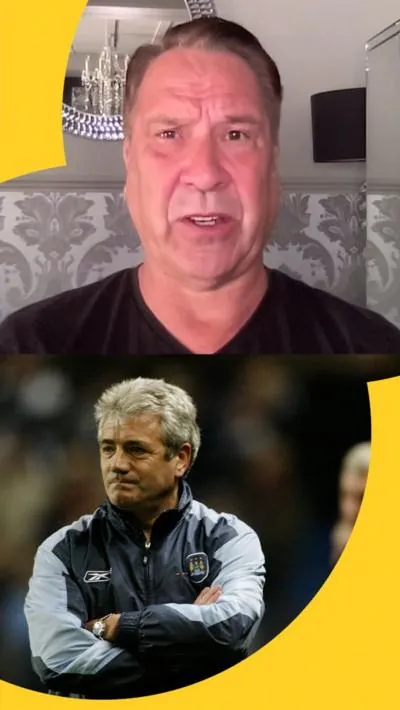
Former Liverpool and England teammate Phil Thompson described Keegan as the “best of all the people I have known in football and in sport,” highlighting his humility. David Fairclough, another former Liverpool forward, recalled looking up to Keegan and adopting his style after making his first-team debut.
Keegan scored goals in appearances for England between 1972 and 1982, and managed the national team from February 1999 until October 2000.
Read Also
- Tyneside reflects on Kevin Keegan's managerial tenures at Newcastle
- North American World Cup marked by spectacle, controversy, and political interference
- Royal Birkdale: DeChambeau accused of threatening to call Trump over Open penalty
- Blackpool: Cameron Menzies stuns Luke Humphries in World Matchplay first round
Source: bbc.co.uk

Isla Hartley is a Sports Reporter at NewsUK. She covered the British summer of sport from Wimbledon to the Test grounds. She focuses on tennis, cricket and athletics and is known for clear, deadline-driven reporting. She holds a degree in Sports Studies from the University of Stirling and completed an NCTJ diploma. Now based in Glasgow, she runs half-marathons and follows Scottish athletics. “The overlooked athlete usually has the better story.”